

The Semantic Search Results View.
The challenge
Insights were captured. They were never found again.
Researchers tagged and archived every session carefully, but a PM searching for “pricing objections” six months later got zero results unless they used that exact tag. So the same question got asked in a brand-new round of interviews instead of pulled from eighteen months of archive already sitting there.
“We have a year and a half of interviews. Nobody outside research has ever opened one.”
— PM, growth team

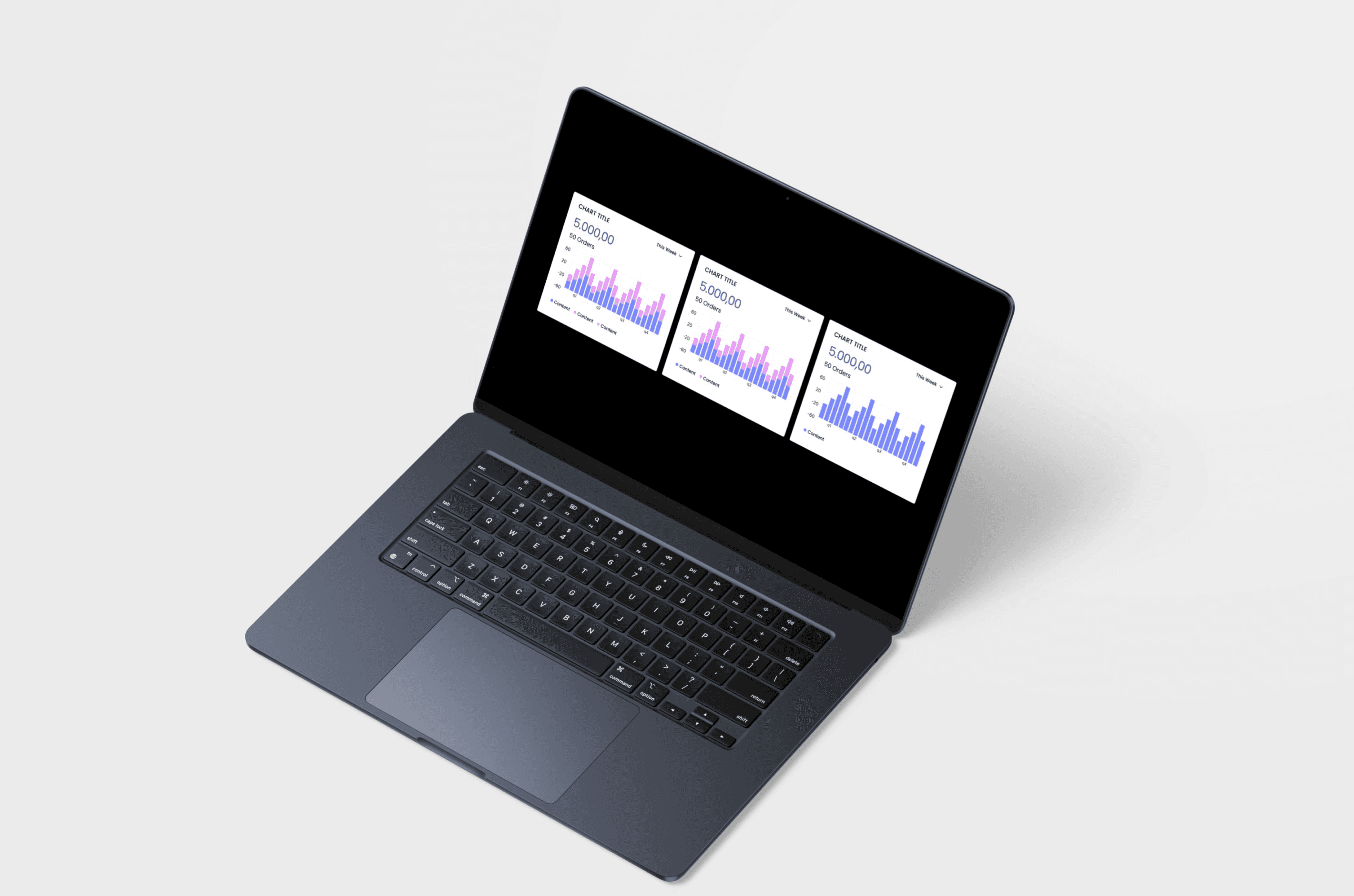
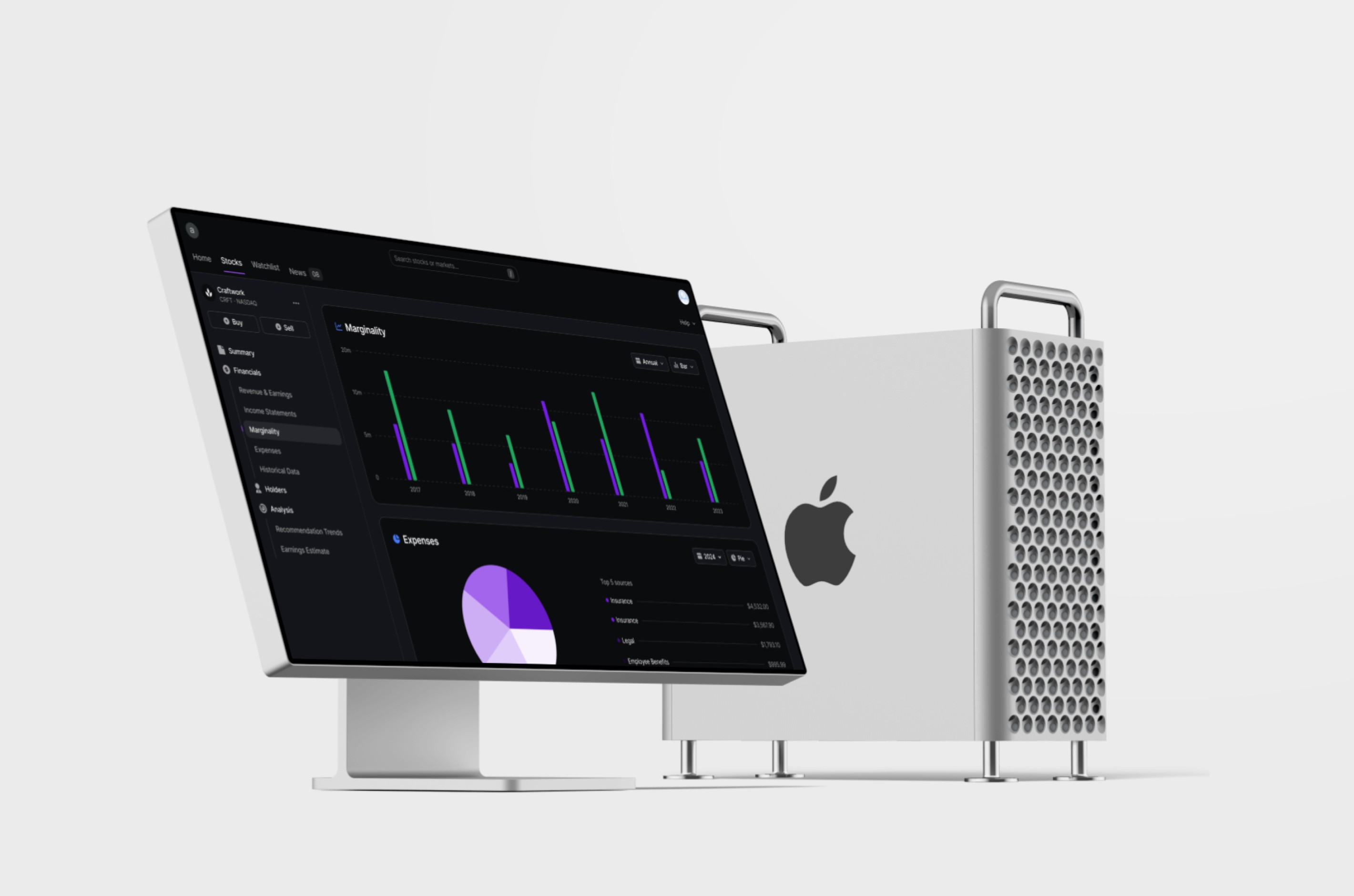
The Semantic Search Results View.
The Process
Search first, browse second. We watched five PMs try to find a specific insight. All five typed a plain-language question into the tag filter, got nothing, and gave up within ninety seconds.
Excerpts, not full sessions. A forty-minute transcript is not an answer. We pulled the actual quote that mattered and let people expand into the full session only if they wanted more.
Killed the mandatory tagging step. It was the single biggest reason researchers fell behind on uploads, and the tags rarely matched how anyone searched later anyway.
Shipped a Slack digest before the search redesign. A weekly “insight of the week” post got non-research roles into the tool for the first time, which told us they wanted answers, not an archive to browse.


Solution
Semantic search across every transcript. Type a plain question and get back the actual passages that answer it, ranked, not a list of sessions matching a tag.
Auto-generated theme clusters. Related excerpts from different interviews group automatically under a plain-language theme, so a pattern across twelve sessions reads as one thing, not twelve.
Inline excerpt cards. Every result shows the quote, who said it, and when, with one click into the full context — no downloading a transcript to find one sentence.
Tagging became optional, not a gate. Researchers could still tag for their own organization, but publishing no longer required it.
Outcome
Weekly active reach across non-research roles grew from 12% to 41% over the following three months. The clearer signal: the number of insights cited directly in PRDs and roadmap docs nearly tripled — the actual goal, since a stored insight only matters once it changes a decision.
What I’d do differently. Semantic search surfaced excerpts beautifully but flattened context — a quote about pricing from an enterprise churn interview looked the same as one from a self-serve signup interview. I’d want segment context visible in the result card from day one instead of adding it as a fast-follow once support tickets started asking for it.
Weekly active reach, non-research roles
+29pts
Insights cited in PRDs and roadmap docs
+164%
I stopped scheduling a new interview just to re-ask a question we already had an answer to.

Dana Whitfield
Chief Innovation Officer