

The Rate-Context Load Card.
The challenge
Signing up was fast. Trusting the first match was not.
A new carrier finished sign-up in under five minutes, landed on a list of available loads with no context on rate history or the shipper’s reliability, and stalled. Support calls all asked some version of the same question: “Is this rate actually normal for this route?” Nothing on screen answered it, so carriers called instead of booking.
“I had three loads in front of me and no idea which one wasn’t going to waste my week.”
— Owner-operator, first week on the platform

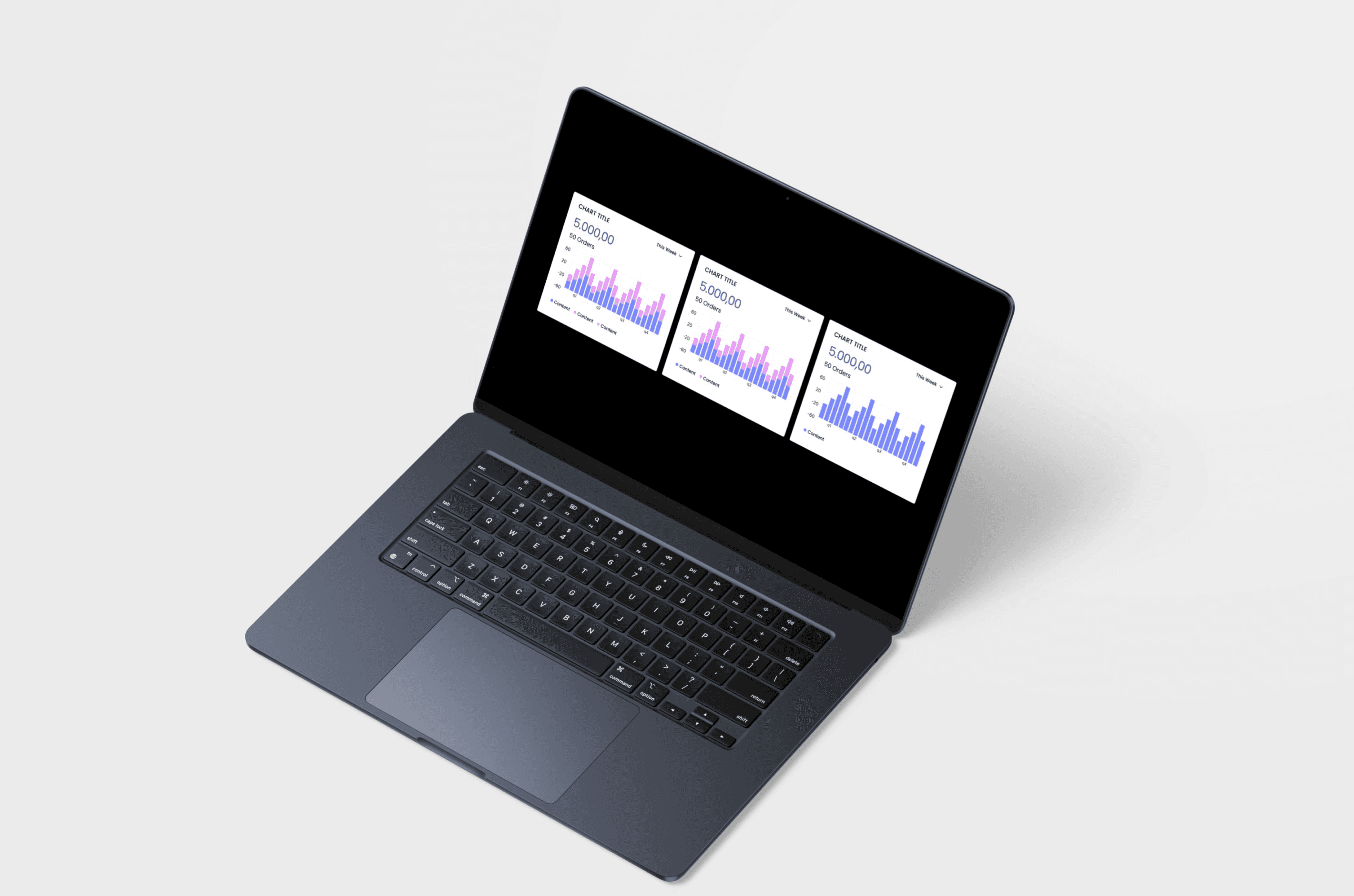
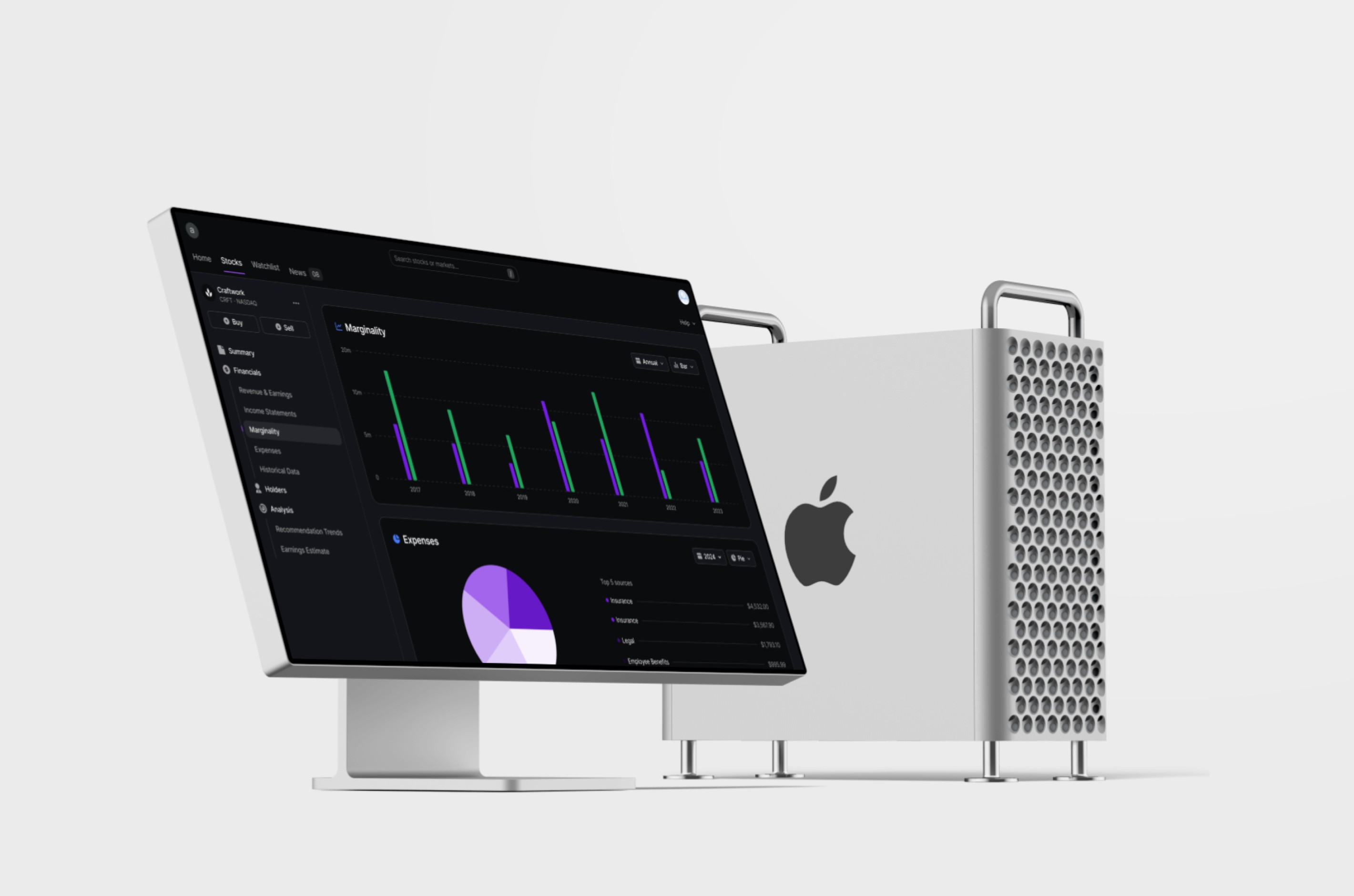
The Rate-Context Load Card.
The Process
Listened to forty onboarding support calls. The same three questions came up in nearly every one: is this rate fair, is this shipper reliable, what happens if something goes wrong.
Answered the calls before the carrier had to make one. Every recurring question became something visible on the load card itself, not something support explained after the fact.
Built trust from data we already had. Rate history and shipper reliability weren’t new data collection — Harbor already had it. It just wasn’t shown anywhere a carrier could see it before booking.
Shrunk the first decision. Instead of a full load board on day one, new carriers saw three matched loads with the context front and center, not forty options with none.


Solution
A rate-context badge on every load. “Typical for this route” or “above average,” pulled from real rate history, right on the card.
A shipper reliability signal. On-time payment and past carrier ratings shown inline, so a new carrier isn’t betting blind on an unfamiliar name.
A three-load starter match. New sign-ups see a small, curated set of loads suited to their equipment and location instead of the full board.
A “what happens if” panel. Plain-language answers to the cancellation, delay, and payment questions that used to require a phone call.
Outcome
Carriers booking a load within their first week went from 33% to 58% over the following quarter. The clearer signal: onboarding-related support calls dropped by half, which was the real cost this was designed against — every call was a carrier who couldn’t get an answer from the product itself.
What I’d do differently. The three-load starter match worked well for common routes and equipment types, but carriers in niche categories sometimes got matched to nothing good and defaulted back to the full board anyway. I’d have built a graceful fallback state for thin matches instead of assuming there’d always be three solid options.
Carriers booking within first week
+25pts
Onboarding-related support calls
-51%
I could finally tell which load was worth my time without calling anyone to ask.

Tom Aldana
Chief Innovation Officer