

The Self-Serve Scheduling View.
The challenge
Every study started from a blank scheduling spreadsheet.
A researcher writing a screener, individually emailing recruiting panels, chasing scheduling conflicts across time zones, and re-explaining consent logistics to every new participant — for every single study, even ones nearly identical to one run the month before. The tool itself wasn’t the bottleneck; the manual coordination around it was.
“I spend more time scheduling the test than I do actually learning from it.”
— Staff researcher, health app team

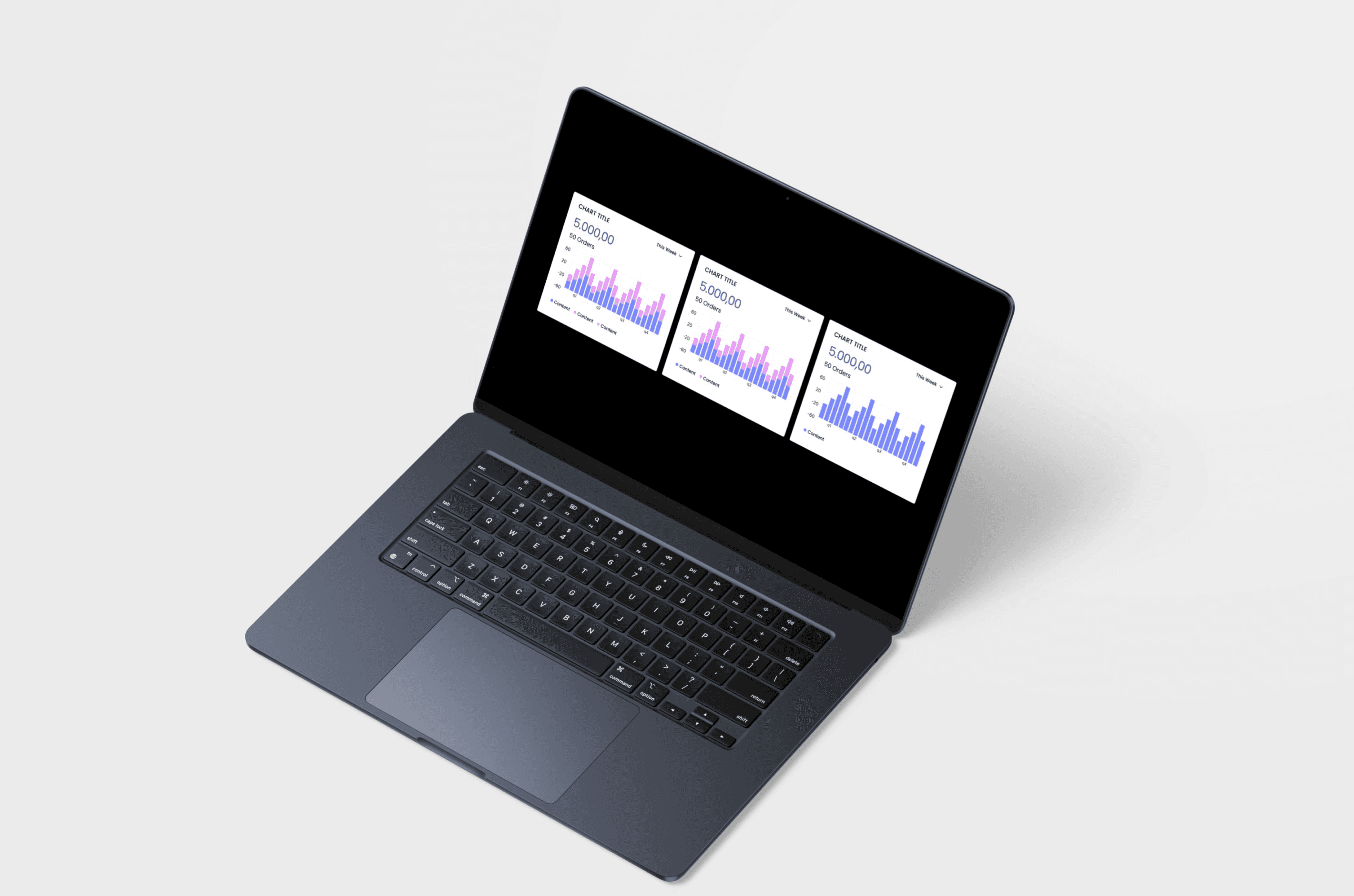
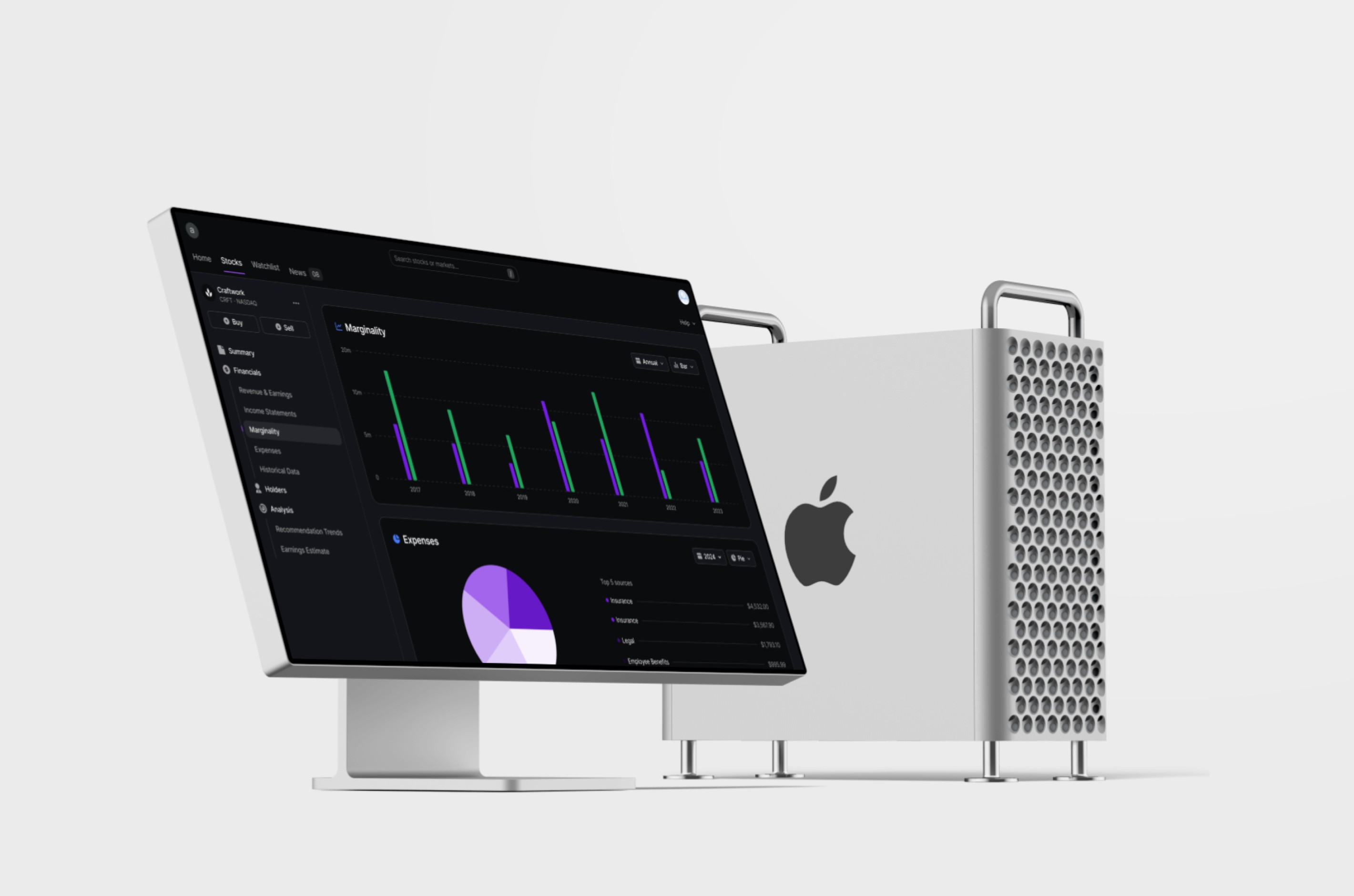
The Self-Serve Scheduling View.
The Process
Mapped the coordination, not just the interface. We traced every study from request to completed session across four researchers and found the same six manual steps repeated nearly every time.
Built reusable screeners. Most studies pulled from three or four recurring participant profiles. We let researchers save and reuse a screener instead of rebuilding one per study.
Let scheduling happen without back-and-forth. Participants picked from real availability synced to the researcher’s calendar, instead of an email thread negotiating times.
Tested with the researchers who’d complain the loudest. We recruited the two most skeptical researchers on the team as our first users, on the logic that if it saved them time, it would work for everyone.


Solution
Saved screener templates. Start a new study from a past one with one click, adjusting only what’s actually different this time.
Self-serve scheduling. Participants book directly against real availability; no researcher touches a calendar invite.
A running participant pool. People who’ve tested before and consented to future contact stay in a reusable pool, cutting cold recruiting for repeat study types.
Session notes attached to the study, not scattered in docs. Every session’s notes and clips live against the study itself, searchable later without hunting through someone’s personal folder.
Outcome
Time from study request to completed first session dropped from three and a half weeks to nine days over the following quarter. The clearer signal: the team ran 60% more studies in the same three months without adding headcount — the actual goal, since faster scheduling only matters if it turns into more research actually happening.
What I’d do differently. The reusable participant pool worked well early but started skewing toward people who simply responded fastest and enjoyed testing, not a representative sample. By month three, findings were quietly biased toward power users. I’d have built pool rotation and freshness limits into the system from the start instead of noticing the skew after the fact.
Time to first completed session
-74%
Studies run per quarter, same headcount
+60%
We finally spend research time on research, not on chasing calendars.

Aisha Bello
Chief Innovation Officer